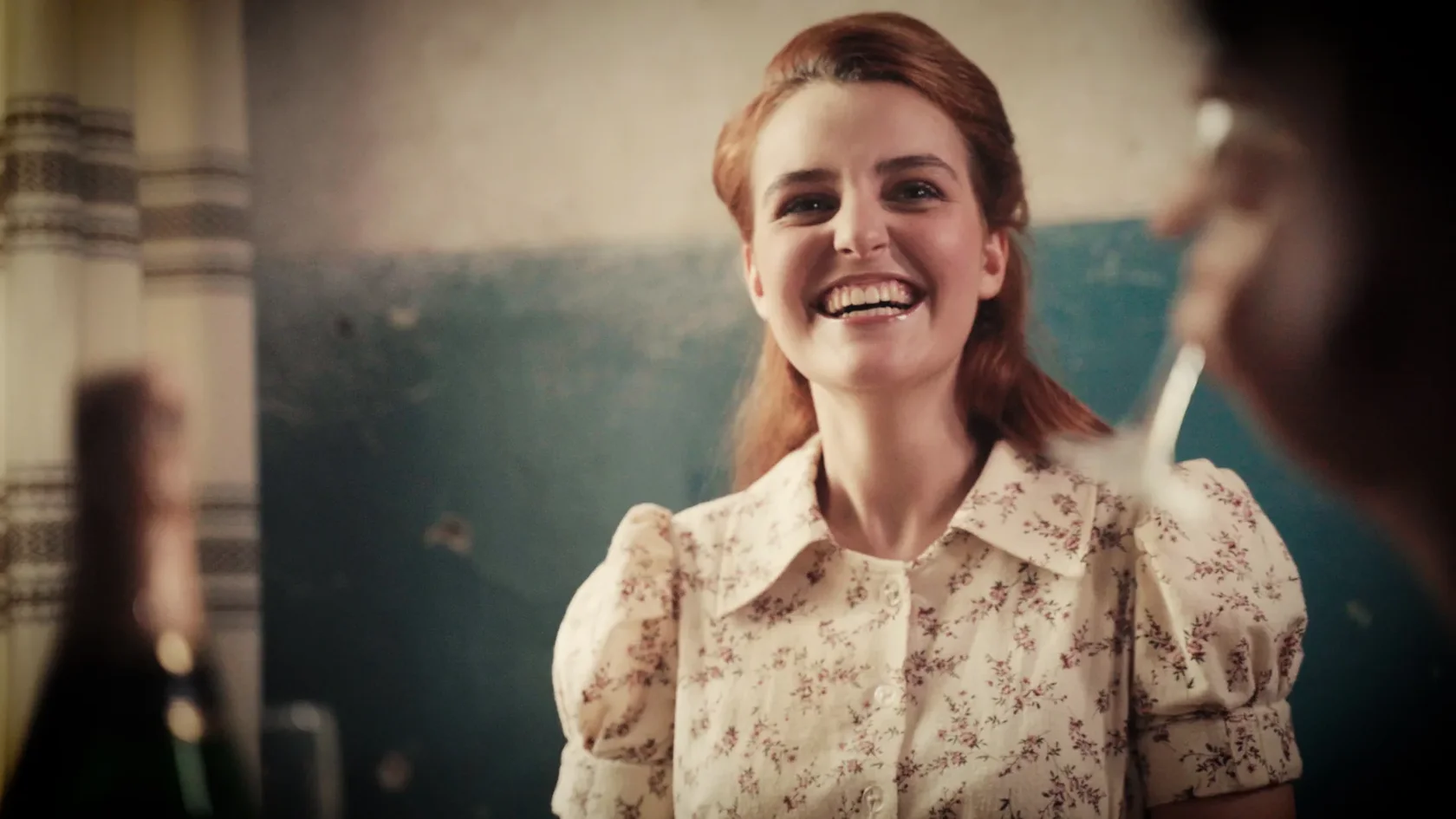
In November, audiences saw the documentary film “Don Quixotes of Kushnarenkovo” by Algis Arlauskas, about the secret Comintern school, for the first time. The world premiere took place on 11 November at the 20th “Russian Abroad” International Film Festival in Moscow, the regional premiere on 14 November at the Rodina cinema in Ufa, and on 15 November the film was shown in the village of Kushnarenkovo, where its story unfolds. An exhibition about the shoot also opened there, in the local museum.
World premiere in Moscow
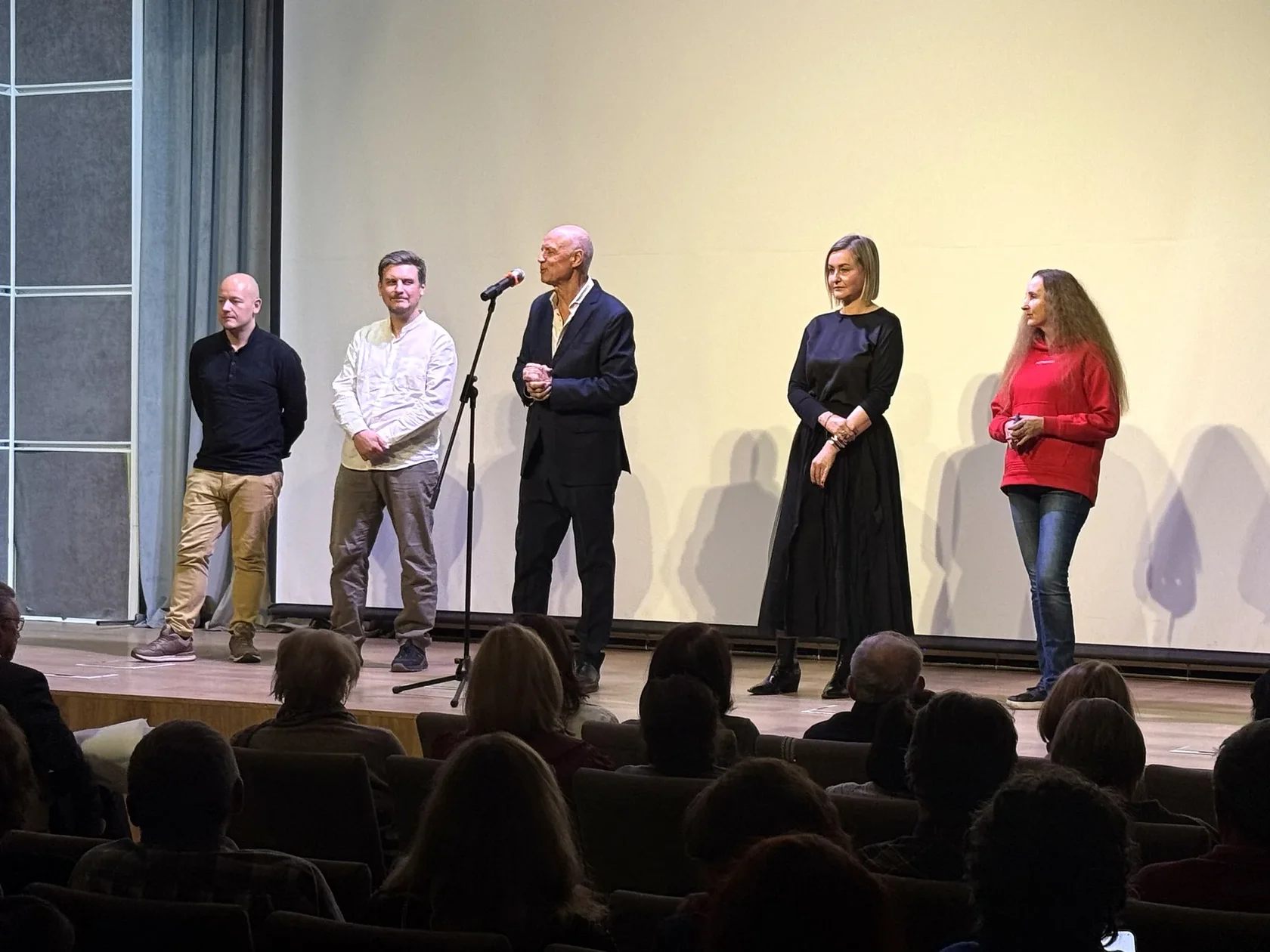
On 11 November the film was shown at the Alexander Solzhenitsyn House of Russia Abroad as part of the anniversary 20th “Russian Abroad” International Film Festival. Algis Arlauskas presented the film in person and, after the screening, came on stage to the audience together with the film’s creators. During those days the director also worked at the festival as a member of the jury of the fiction film competition.
The date of the screening turned out to be special for the director. “The festival organising committee scheduled the world premiere of my film about my mother Carmen Pinedo on the day of her death. […] And this coincidence is very symbolic for me — it means I am doing everything right,” Algis Arlauskas told Rossiyskaya Gazeta. According to him, his granddaughter Anna Tikhonova, a student of the Moscow Art Theatre School-Studio, came to the premiere: in the fiction episodes of the film she played her great-grandmother Carmen, a student of the Comintern school.
Regional premiere in Ufa
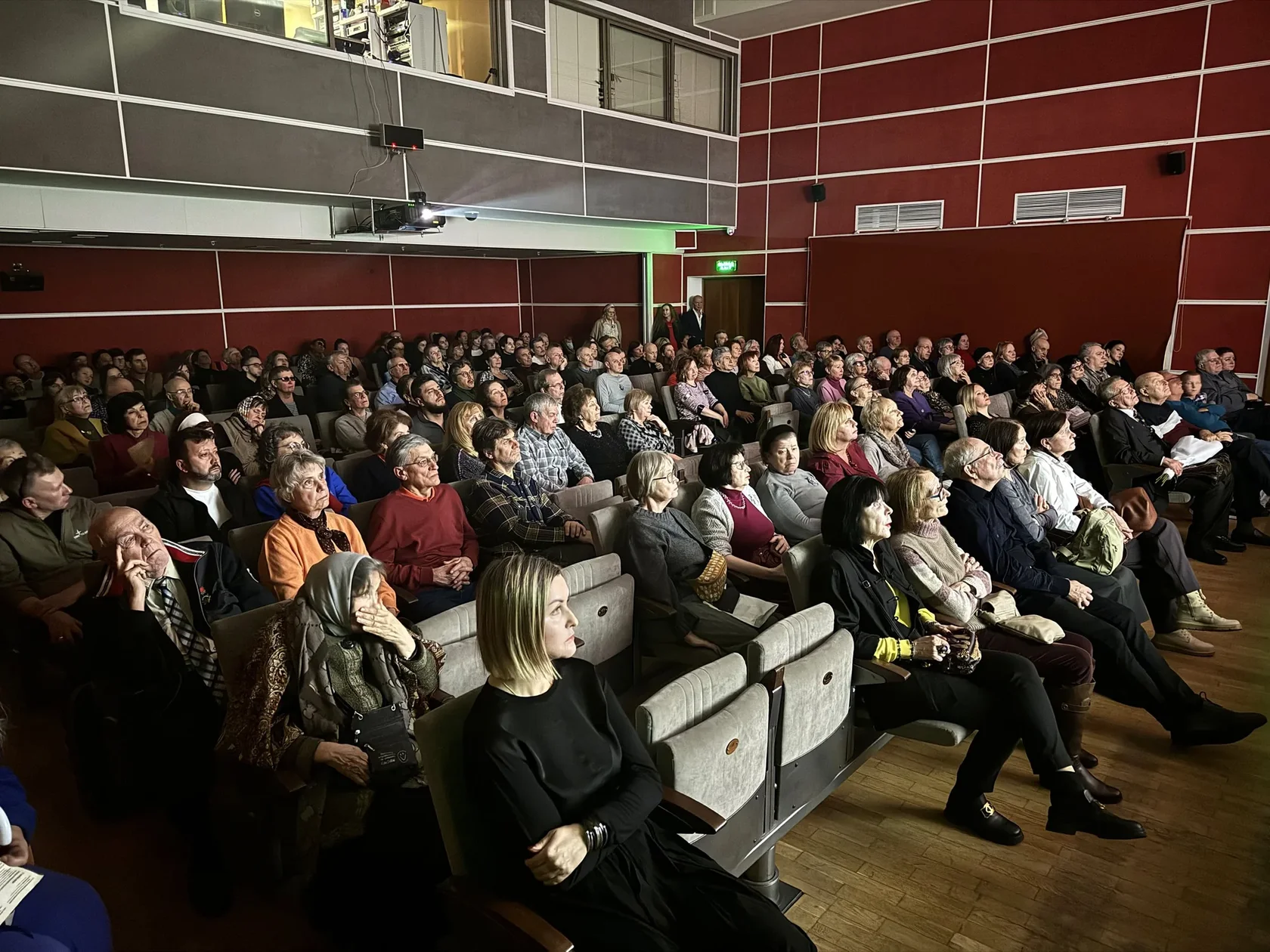
On 14 November the film was shown on the big screen of the Rodina cinema in Ufa. The screening was part of the events marking the 80th anniversary of the Comintern’s work in Bashkortostan. According to Bash.News, the hall was full to capacity.
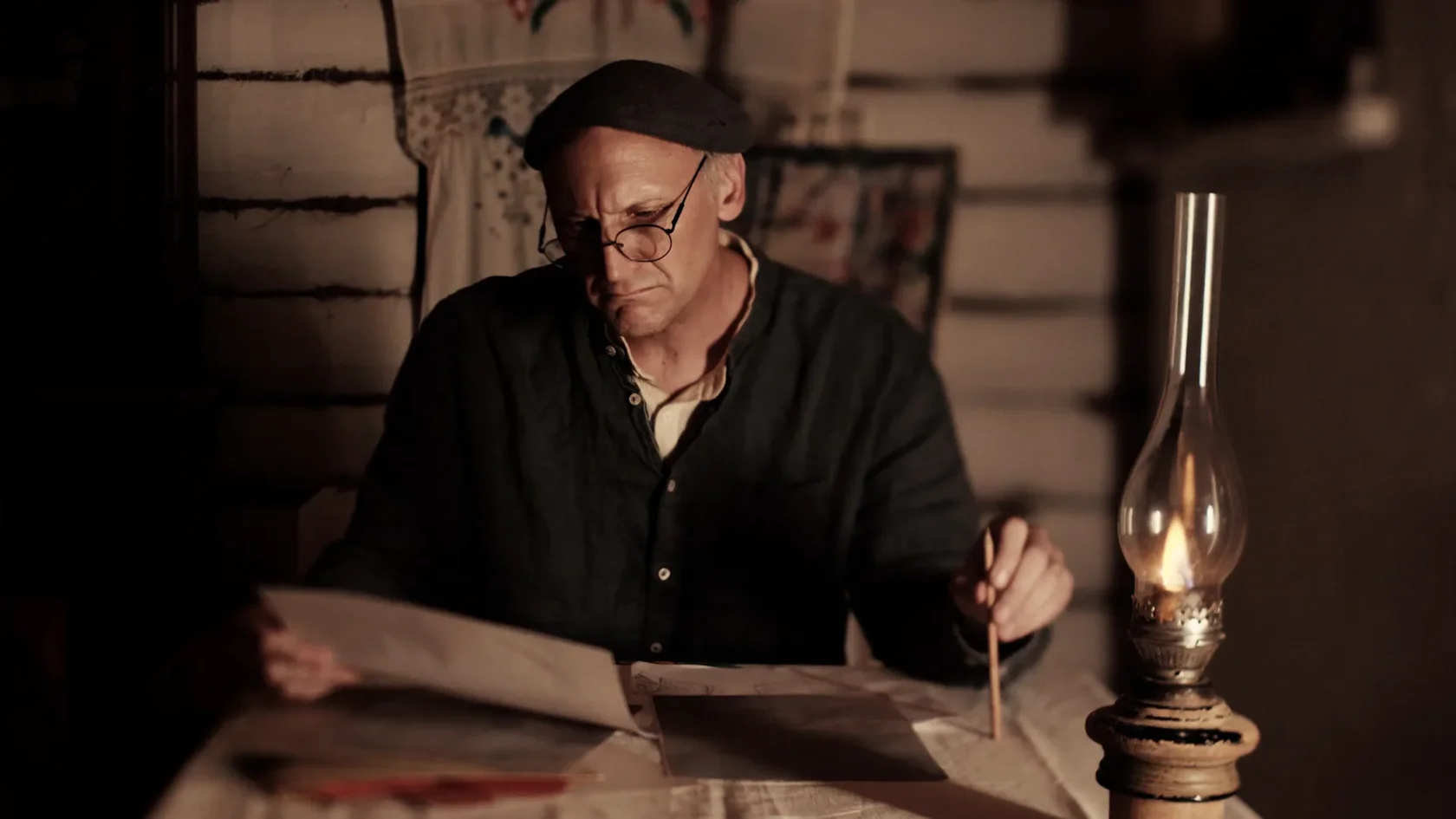
The director tells the story of the school through the eyes of the Spanish artist Alberto Sánchez, the leader of the Bulgarian communists Georgi Dimitrov, and his own — through memories of his mother Carmen, who also studied at the Comintern school, lived and died in the USSR, never having returned to her homeland. Algis Arlauskas first came to Kushnarenkovo as a member of the jury of the “Silver Akbuzat” film festival in Ufa.
Premiere in Kushnarenkovo and an exhibition about the shoot
On 15 November the residents of Kushnarenkovo saw the film: the screening was held at the district House of Culture, with free admission. The head of the Kushnarenkovo District, Marat Latypov, stressed how important it is to preserve and pass on such pages of history: they remind us of the power of unity and of how a multinational world once stood together against evil. He thanked the film crew for their careful treatment of the subject.
Before the premiere, an exhibition about how the film was made opened at the Kushnarenkovo Museum of History and Local Lore: shots from the set, working photos, sketches and props. At the opening Algis Arlauskas met with the guests. He talked about how the idea for the film was born, about funny and touching moments on set, and about the difficulties the team went through. The exhibition continues to run: in the following days schoolchildren from Kushnarenkovo and neighbouring villages came on tours.
The villagers were not only viewers of the film but also appeared in it. Bashkir actors, including children, played in the fiction episodes. “In the end the residents of Kushnarenkovo took part in the shoot — as extras; about sixty locals appear in our final credits,” the director told Rossiyskaya Gazeta. He gave the museum family relics: a receipt for a 1942 postal transfer that his mother sent from Kushnarenkovo to her younger sister, as well as her Badge of Honour order and a casket made by political prisoners in Spanish prisons.
About the film
From October 1941 to the summer of 1943, a secret Comintern school evacuated from Moscow operated in the village of Kushnarenkovo in the Southern Urals. Young communists from different countries, from Spain to China, prepared there for the fight against fascism. Many graduates later took part in the underground resistance in Germany, France, Poland, Yugoslavia and other countries.
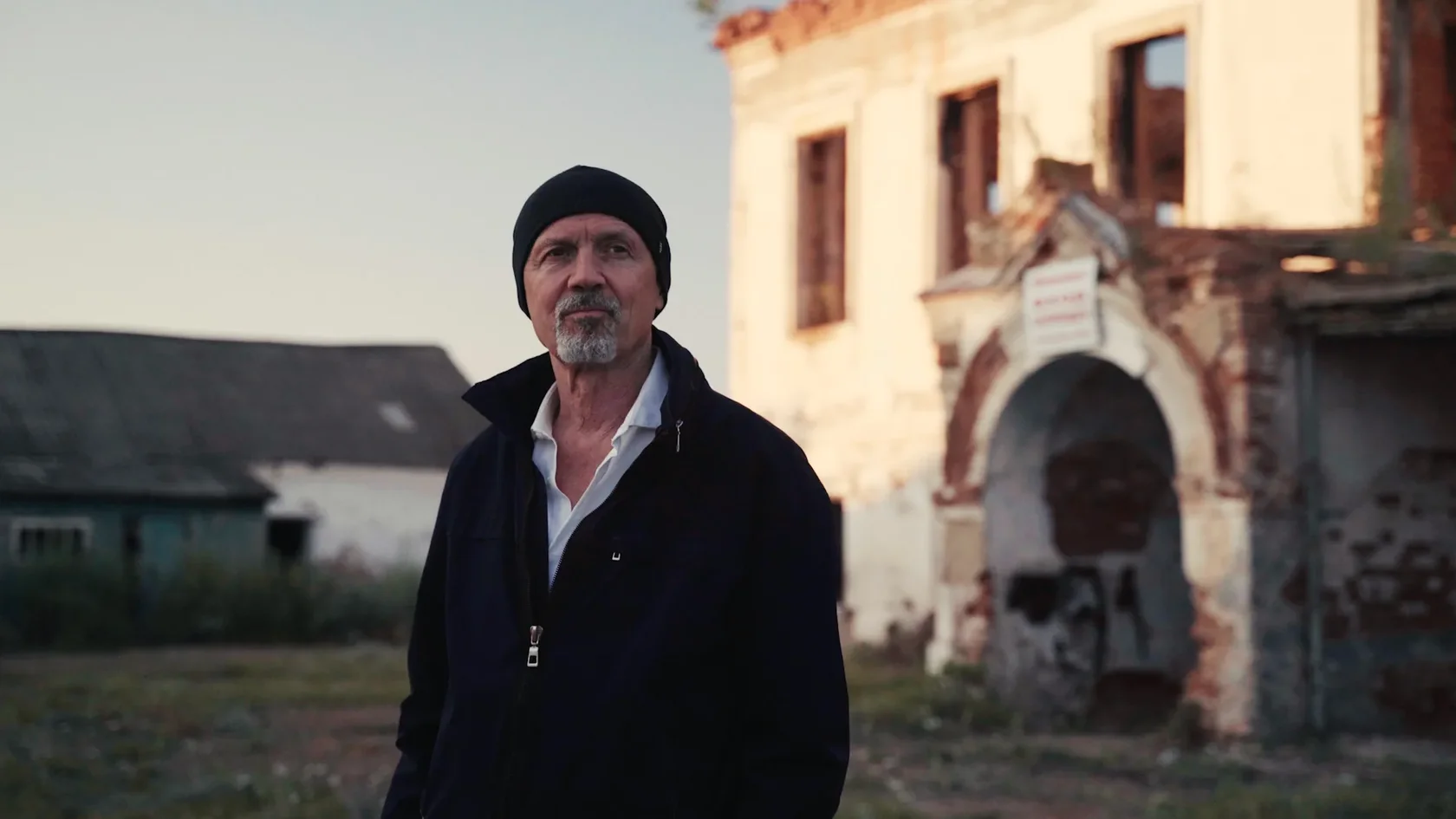
The narrative is led by the director, Algis Arlauskas. His mother Carmen Pinedo studied in the Spanish group of this school, so the film became both a historical investigation and a search for his own roots. Filming took place in Spain, Moscow and Bashkortostan; scholars and descendants of Comintern figures took part in the work on the film.
A feature-length documentary, 94 minutes, 16+. Created with the support of the Ministry of Culture of the Russian Federation. Produced by Impactfilm studio (Third Sector group). Producers: Olga Arlauskas and Nikita Tikhonov-Rau; cinematographer: Vladislav Zarudny; composer: Stanislav Korenblit.
Learn more about the film on the project page.