Following the “Telemania 2026” festival and conversations with its participants, Nikita Tikhonov-Rau — a producer, director, CEO of the Social Communications Laboratory “Third Sector” and a member of the Board of the Guild of Non-Fiction Film and Television — has put together practical advice for those making their first film. How to package a picture, plan a festival path, complete the paperwork and get the film to an audience without a large budget.
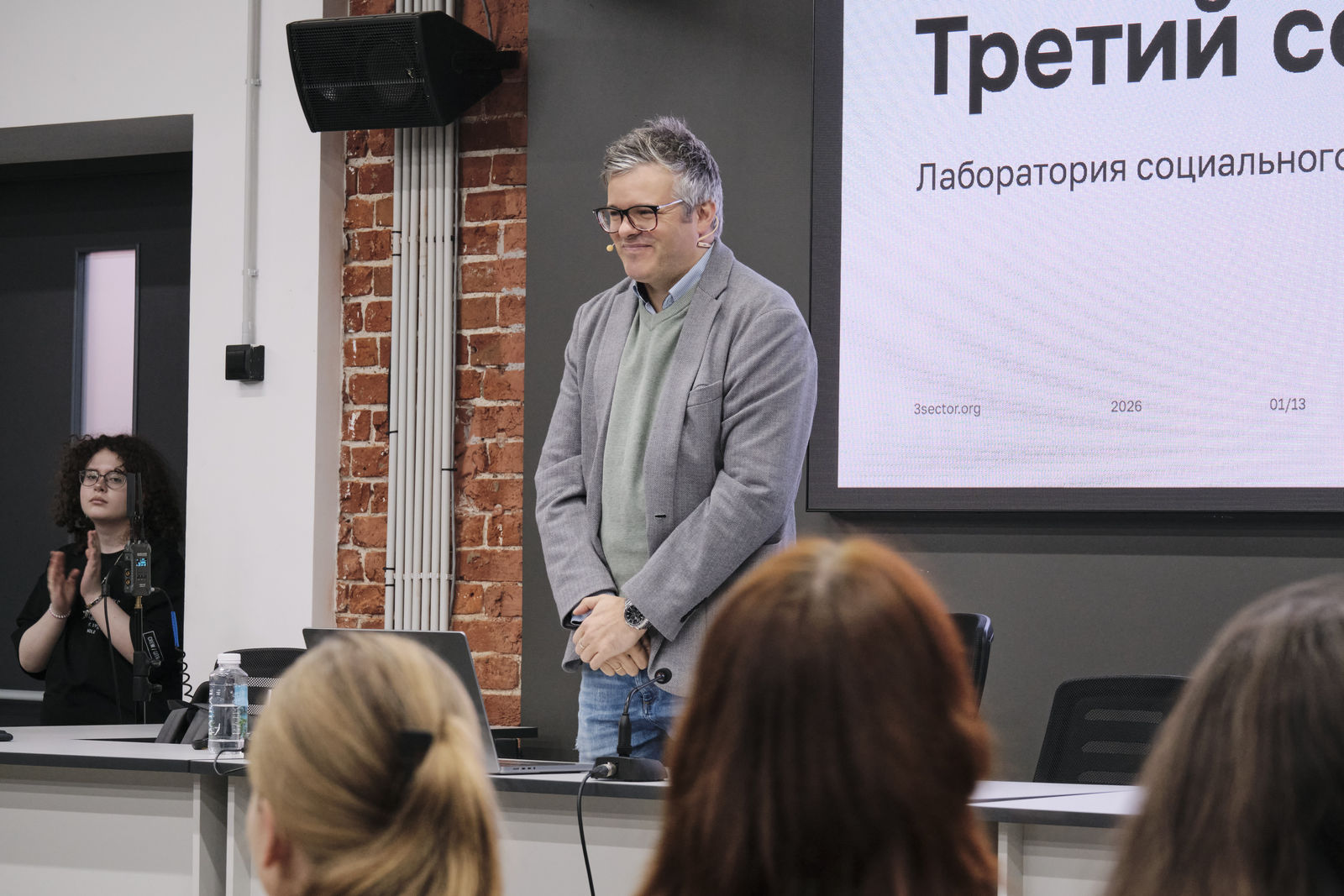
The advice will be useful to authors of short, documentary and student films: anyone who has finished or is finishing a first picture and is wondering what to do with it next. Nikita himself calls these notes “more like thinking aloud, based on experience”: this is not a manual, but a set of areas worth paying attention to.
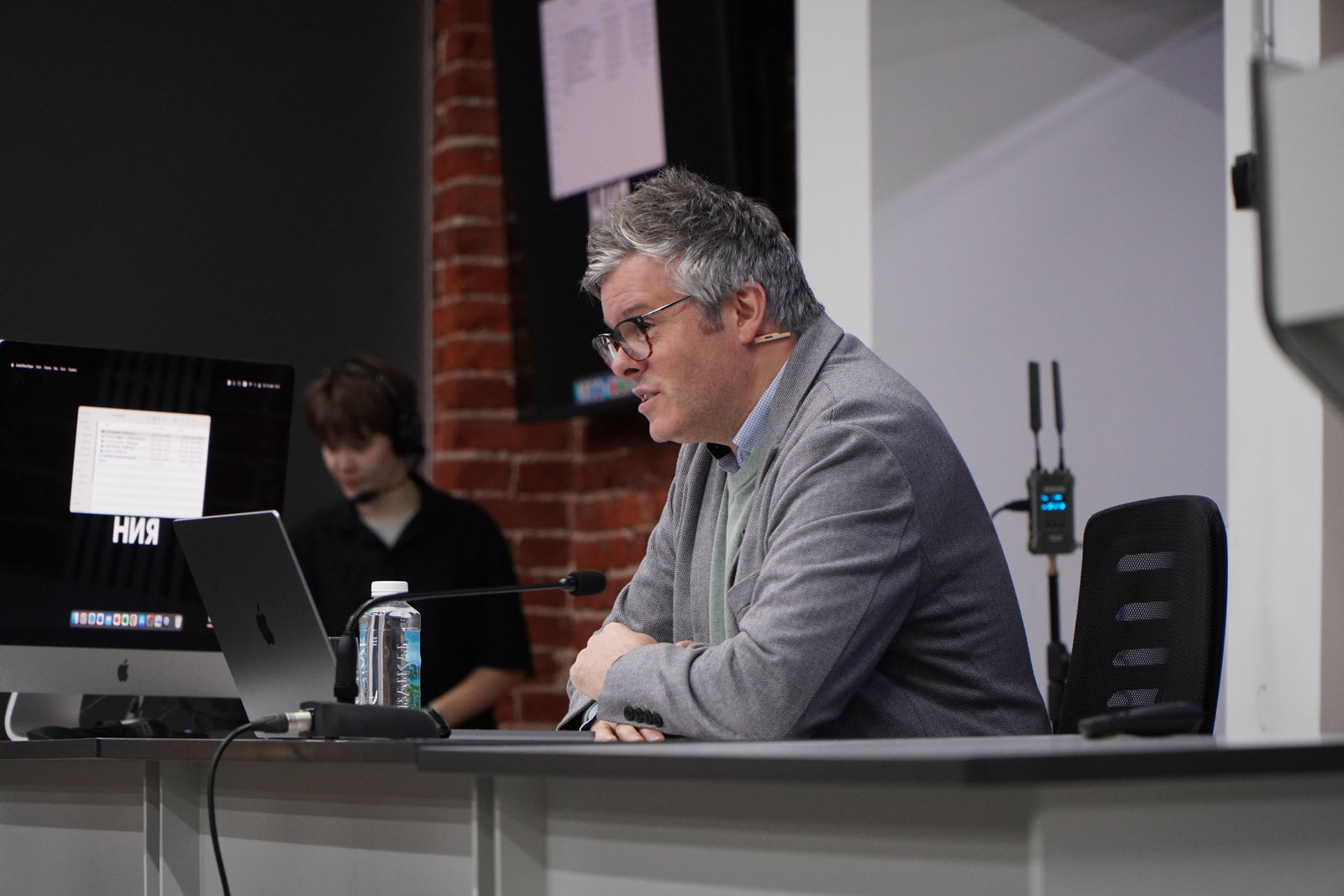
1. State what your film is about, and check the title
The first thing you will be asked at a pitch, in an application and in any interview is why the film is called this and what the film is about. The answer needs to be “not long-winded, but very concise and clearly formulated.” Work it out in advance, before the first submission.
If the film is going to international festivals, check the English title: make sure there are no already successful pictures with the same name.
“It’s not exactly a problem, but it’s not very good if there are already several other English-language films with a successful festival life, and yours will have the same title. That will be a mix-up and a lack of clear positioning. So this has to be checked.”
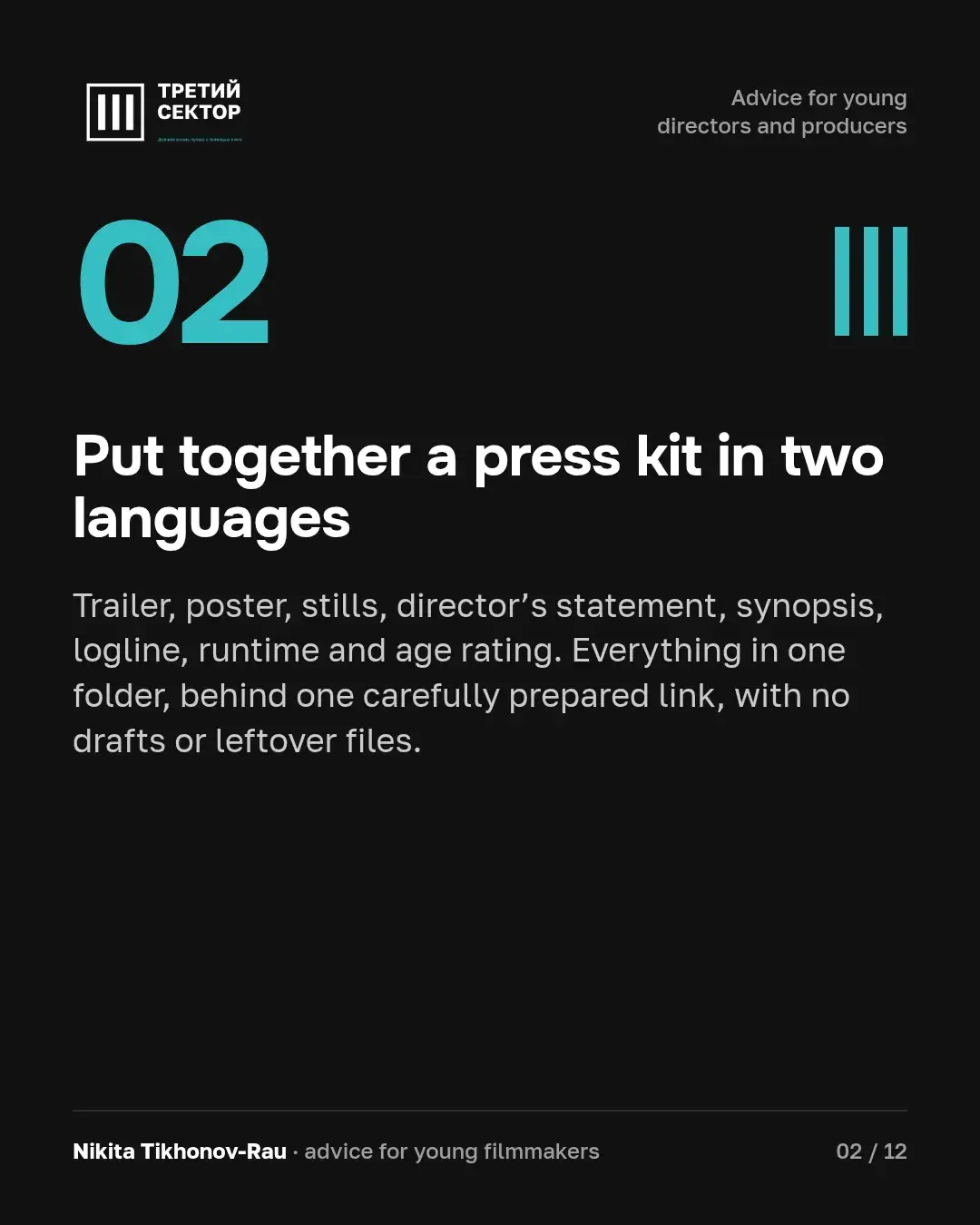
2. Put together a press kit — in two languages from the start
A presentation that you have been rewriting for every pitch is not yet a press kit. A film’s media kit should be assembled as early as possible, in Russian and English from the start. It should include:
- the trailer and the poster;
- a folder of key stills from the film;
- a director’s statement — what the director wanted to say;
- a synopsis, a logline and a tagline;
- a short description of the content and format: running time, age rating.
This is the necessary minimum. Everything should be neatly placed in a single cloud folder. And a separate rule about links:
“For all the materials you send anywhere, there must be a prepared link: carefully thought through, cleaned of any clutter, intermediate versions and files. In the end, everything should be in its final place.”
3. The trailer and poster are the face of the film
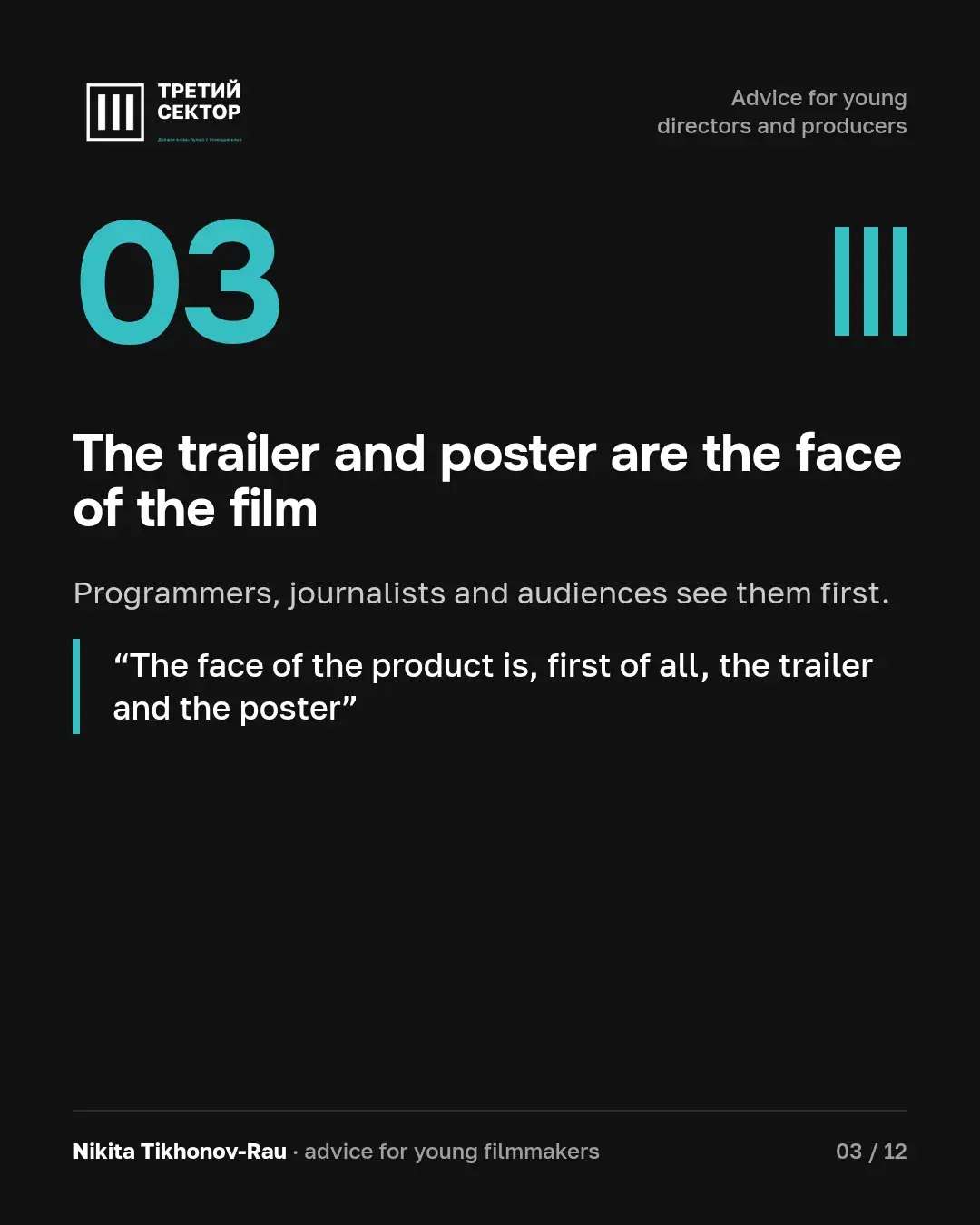
“Obviously there has to be a great trailer. After all, the face of the product is, first of all, the trailer and the poster.”
It is useful, before publication, to get feedback on the trailer from a more experienced colleague. In 2005–2012 Nikita himself was a promo director at Channel One and assembled a great many trailers and promo materials, so he knows how much a well-cut trailer decides.
4. You can walk the first film’s festival path yourselves
Festival agencies select festivals for a film and send out applications — often “in a fan”, through aggregators such as FilmFreeway. In Nikita’s estimate, an agency’s annual promotion package for a debut (for example, CINEPROMO) costs roughly 70–100 thousand roubles. But this work can also be done independently:
- use open, free festival databases and sort them by thematic tags;
- work out premiere status and the sequence of submissions yourselves;
- bring in a neural network to assemble a plan and a table of deadlines.
“There is no special knowledge here that a festival agency has and that you cannot get yourselves. And in the case of a first film, oddly enough, I would suggest doing it yourselves. The result will be better: you will do it with love, attention and involvement. Nobody will love your film as much as you do.”
Large agencies have a large flow of projects, and they do not handle each one “piece by piece, by hand.” The author’s energy is an advantage here, even though it takes your time.
A budget will be needed in any case — for festival fees. They can run from 5–10 to 30, 50 or even 100 dollars.
“Get a card that can be used to pay international fees, pool money as a team — this is your shared success. At the first stage you are unlikely to be able to bring in anyone else’s external budget for this, apart from your own resources.”
5. Two circuits: international and Russian festivals
An international premiere is wonderful, but the Russian festival path also has to be thought through in advance. Make two shortlists a year ahead: an international one and a Russian one. Work out which festivals have international status and which have national status: the document requirements depend on this (more on that below).
“You can try submitting to the Moscow International Film Festival, because that is probably the most prestigious thing there is, at least in Russia. That is a ticket straight into the industry. If they take you, that’s bingo right away.”
Specialist Russian documentary showcases also matter, for example “DOKer,” “Stalker,” “Neizvestnaya Rossiya.”
“Any national competition platforms are very important now, because they are a ticket into the Russian film industry.”
6. A year of festivals first, rights later
How much time should be given to festivals? Nikita’s answer is unambiguous: a year.
“A year. And until that moment, don’t offer anything to anyone in terms of rights — not for television, not for platforms. For a year your film should travel and gather everything it can gather.”
It is not only wins that count. Getting into a competition programme is also a result, and an “official selection” laurel can perfectly well go on the film’s poster.

7. The distribution certificate — right after the master copy
A distribution certificate opens the way to distribution and screenings.
“At least in Russia, without that piece of paper festivals will not take your project. They may like the film, but they will not take it.”
National festivals need it, international ones do not, and it is important to get into both. You can start the certificate as soon as the film is fully ready “in picture and in sound,” that is, when there is a master copy. If you are doing this for the first time, it makes sense to turn to an agency that will handle the paperwork (for example, CINEPROMO).
“It costs money, but it is worth investing in, because going through this path yourself for the first time is very difficult. And the sooner you initiate it, the more festival windows of opportunity you will catch.”
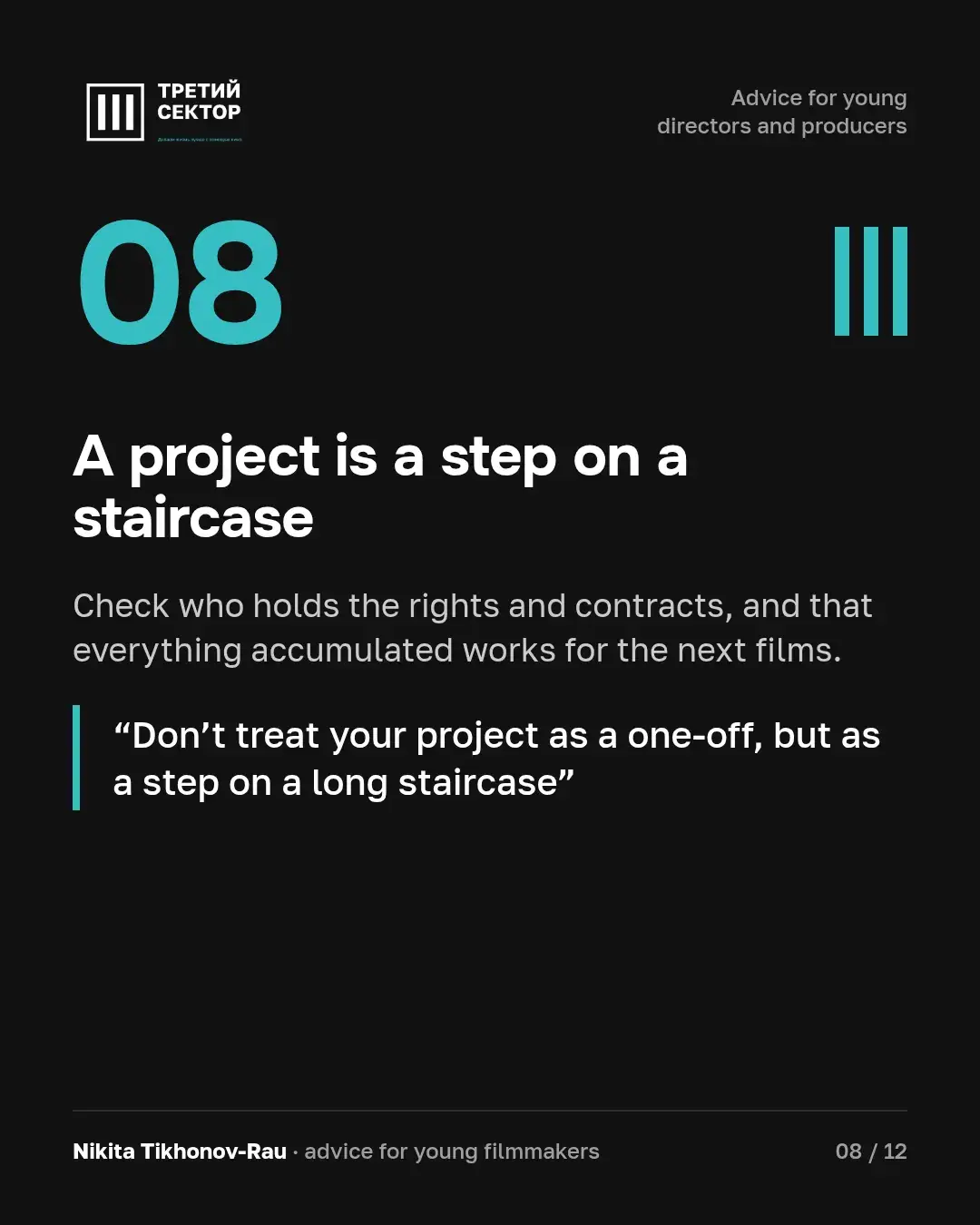
8. A project is not a one-off, but a step on a staircase
Work out in advance who holds the rights to the film and the contracts with the team. If it is an organisation, check that its charter includes the delivery of cultural and film projects. The rights, experience and reputation that accumulate over a year of work with the film should work for your next projects.
“You need to treat your project not as a one-off, but as a step on a long staircase that leads somewhere. Otherwise you will spend a year on it, and it is not a given that this will then work for your further career and development.”
9. The industry thinks in case studies — build your own
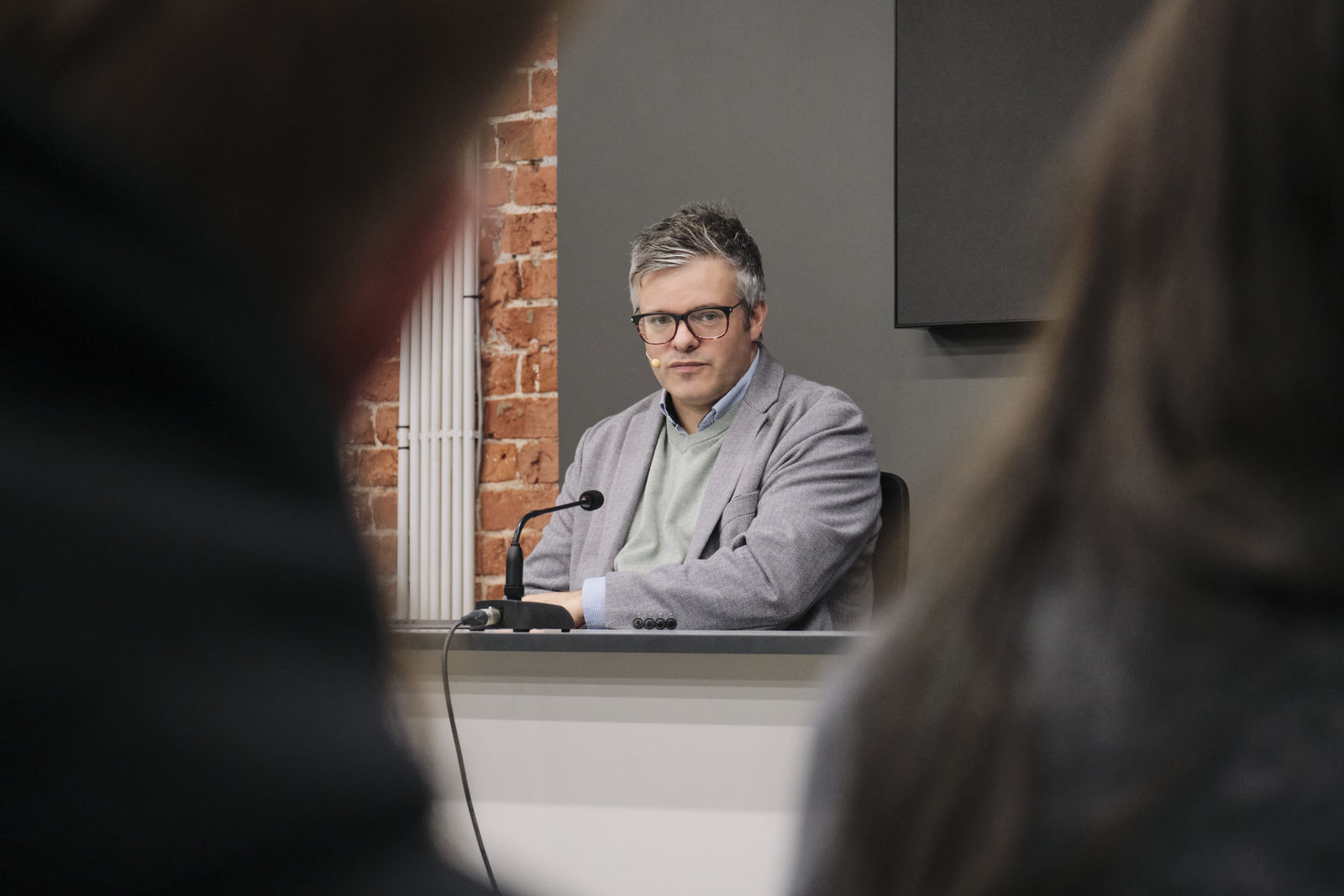
Give the film its own page on the internet with a clear domain, perhaps in English from the start if you have international ambitions. And keep updating it: the film is selected for a festival — publish a news item at once; you took part in a pitch or a public discussion — the same.
“The industry now thinks in case studies. And this case, especially with a first film, has to be built for yourselves. It has to be produced, it has to be worked on, and you have to love and raise your own child.”
“Nobody will do it for you. But I strongly recommend doing it, because your first product as a director, as a producing team, is a signal to the market that you have arrived.”
For examples, Nikita suggests following which projects the Internet Development Institute and other grant-making foundations call successful in their Telegram and MAX channels.
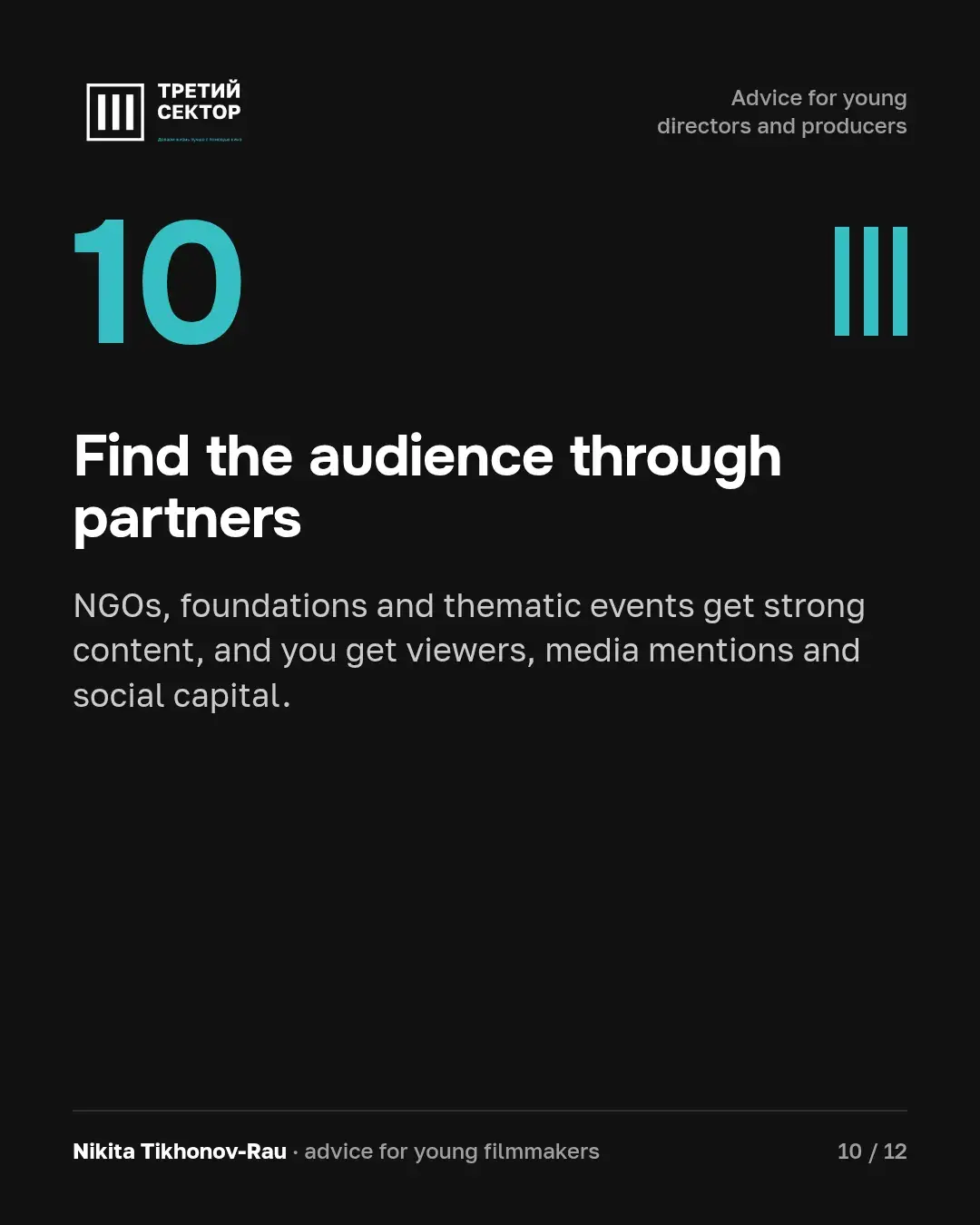
10. Find the audience through thematic partners
In parallel with festivals, look for thematic events and organisations. Every film has its own set of themes and an external agenda, and other NGOs, foundations and market players are already working around that agenda. That is how the studio brought the documentary series “Russian Estates” to audiences: screenings in Moscow galleries and exhibition halls, at Russian Creative Week, on the estates themselves, and at forums and conferences on preserving estate heritage.
How to do this:
- make a list of potential partners and events with deadlines and dates — this is convenient to assign to a neural network, it will compile a table;
- get in touch with the organisers and offer to include the film in the programme.
“For them this is a plus, because they get strong thematic content for free. And for you it is a platform for expanding the audience. The press starts writing about it, mentions appear. And in this way the project gathers new partnerships, reaches the viewer, reaches your target audience and gains social weight, social capital.”
As a rule, this is a partnership or a barter: neither side pays money here.
11. Be ready to work on your own energy
“The scale of the work can be intimidating. On the other hand, there is no other way to do it. You are working on a case now, and you have to work this case on your own resources. Even I as a producer, although I already have a name, successes and state contracts, still do this on a daily basis. And often without an external resource, simply because I love my projects and put my energy into them.”
When there is a budget, promotion can be split into circuits. On “Russian Estates”, which was supported by the Internet Development Institute, five contractors worked on promotion: two festival agencies (one focused on Russian festivals, the other on international ones), two PR specialists (one for NGOs, foundations and the cultural-heritage field, the other for the film industry: trade media, Telegram channels, journalists and critics) and a separate SMM specialist. Partnership arrangements were built by the producer himself — through his own contacts. Working with two festival agencies at once, Nikita says, delivered a result: “twice the budget, but then three times the results.”
“But that is a project with a resource. And when there is no such resource, everything rests on the energy of the lead producer, and I do it by hand. Well, now I surround myself with bots — and off we go.”
If there is no budget for contractors, part of this work can be handed to neural networks and bots — and it is worth learning this already on the first film:
“In that time you will train your bots to work the way you need, and you will enter the next case armed, with a great deal of experience.”
“This is the challenge of our industry: every new project is a new startup. You can never relax. It is a path that lasts a lifetime. If you do this professionally — only this approach will do.”
12. Count your work in money — and think about the next film
When the film has run its course and the case has taken shape, put a money value on the whole volume of work done.
“If you do this professionally, it is very important to understand that none of this work is unpaid.”
Then, when you offer the next project to a client or a partner, you will be able to show what the budget is made of: production, promotion, offline screenings.
Nikita advises looking for money for the next meaningful projects first of all from state commissioners and support institutions: getting into the budgets of TV channels and online cinemas is very difficult, because they work with their affiliated structures.
“Working with public money is in some ways easier, and in some ways harder. But they support more socially significant films, not just entertainment. I think one should go in that direction.”
An example of how a project can grow with such support is the Third Sector studio’s scripted series “You Can’t Wait!”, supported by the Internet Development Institute: it was grown for three years, and it has more than 15 million views.
And most important — choose subjects that truly matter to you:
“You spend so much energy that you want it to be close to the heart, not just a routine song-and-dance.”

Instead of a conclusion
Any piece of advice is only a point of reference.
“As a more experienced colleague, I can suggest something, point the way. And then these are already your producing decisions: what of this you take into your work, and what you do not. This is your track.”

The Third Sector studio makes life better with film: its projects have reached more than 64 million viewers and views since 2011. Follow the studio’s news at 3sector.org.